PVC is a very good roofing material, and I say that happily. But it is not magic, and anyone who tells you it never has trouble is selling something. If you already have a PVC roof, or you are thinking about one, it helps to know the common pvc roofing problems before they surprise you. Most of them are easy to prevent, and many are cheap to fix if you catch them early.
Problem 1: Leaks at seams
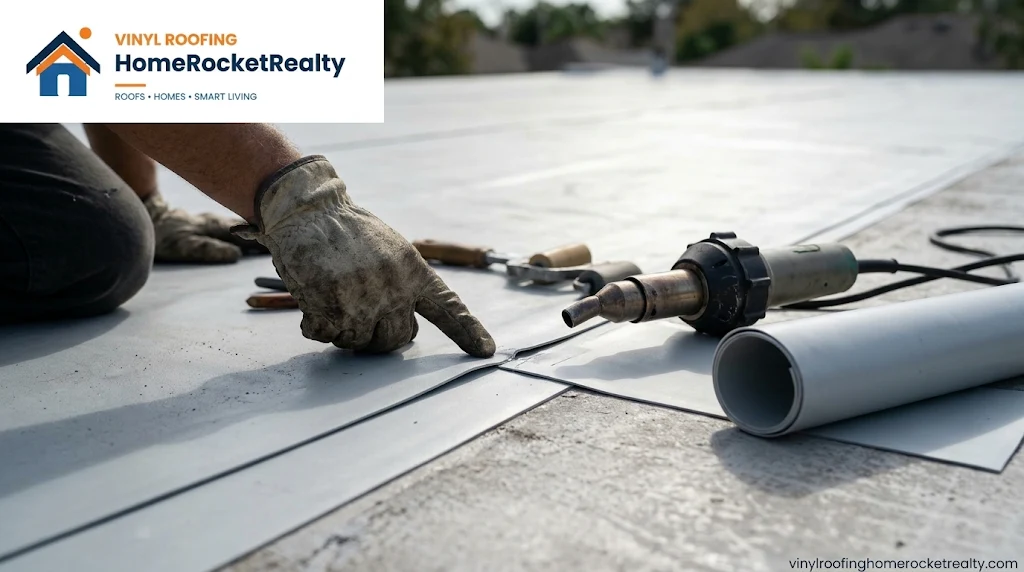
The seams are the heart of a PVC roof. When two sheets are welded properly, they create a strong bond. When the weld is weak, dirty or rushed, a thin gap can open and let water in.
Causes: dirt or moisture during welding, wrong temperature, rushed work or movement of the roof.
What to do: have a roofer probe the seams, then re-weld or cover the weak spots with a patch. Do not try to glue over it with random sealant.
Problem 2: Punctures and cuts
Tools dropped on the roof, sharp branches, hail, or even a careless ladder can cut the surface. Small cuts are easy to repair, but if ignored, water can reach the insulation below.
Prevention: use walkway pads, wear soft-soled shoes and trim branches. Fix: clean the area and apply a patch of compatible PVC, heat-welded or fixed with the repair kit the manufacturer recommends.
Problem 3: Shrinkage
Over many years, some PVC membranes can shrink slightly, especially in older or lower quality products. You may see the material pulling away from edges, corners or pipes. This can open gaps at the flashing.
Prevention: choose a quality membrane with good stabilisation, and make sure the edges are properly fastened. Fix: a roofer can re-secure edges and add new flashing where needed.
Problem 4: Ponding water
Puddles that stay for days are a warning sign. Standing water increases stress on seams and can speed up wear. It is usually a drainage or slope issue, not a PVC issue as such.
Fix: clear drains, correct low spots if possible and add outlets where necessary. Ask your installer about tapered insulation when planning a new roof.
Problem 5: Poor flashing details
Pipes, vents, corners and edges need careful detail work. A lot of leaks that people blame on the sheet actually start around a vent pipe or wall edge where the flashing was rushed.
Prevention: insist on pre-formed corners and boots where possible. Fix: replace or re-seal the faulty detail, not the whole roof.
Problem 6: Ageing and brittleness
As years pass, UV rays and heat can slowly make PVC less flexible. Cheap or thin material shows this earlier. Look for cracks, chalky patches or a surface that feels stiff.
Prevention: pick a membrane with proper UV protection and the right thickness. Wash it regularly so dirt does not trap heat. Fix: small patches for localised damage, and plan a replacement when problems become widespread.
Problem 7: Poor installation
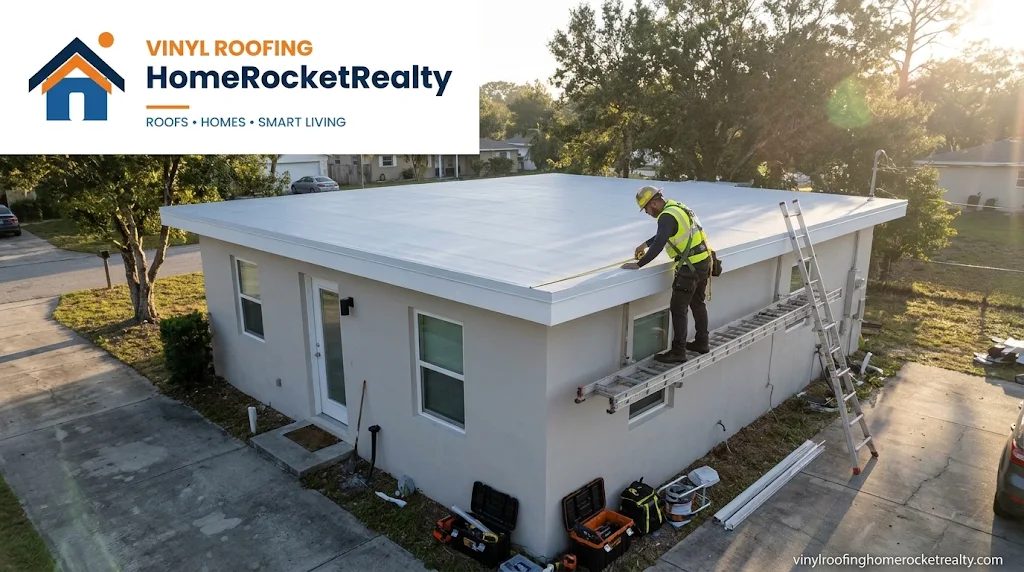
Honestly, this is behind most failures. Wrong preparation, missing fasteners, uneven decks, rushed welds and wet weather installation all cause trouble. Residential pvc roofing needs a trained installer, not just someone with a heat gun.
Prevention: choose a roofer with a proven record and written warranty. Ask for photos of earlier jobs.
How to inspect your roof
A basic check twice a year can save a lot of money.
- Look for puddles one day after rain.
- Check seams for lifting, bubbling or gaps.
- Inspect edges, corners and pipe flashings.
- Look for cuts, scuffs or soft spots.
- Clean drains and remove debris.
- Take photos and compare them next time.
If you do not feel safe on the roof, hire a pro. A cheap inspection beats a medical bill.
When to repair and when to replace
Small, localised problems like a single seam or a minor cut are usually fine to repair. If you find many leaks, widespread cracks, wet insulation across large areas or serious shrinkage, a full replacement is more sensible. Ask for an honest opinion and a written report with photos before deciding.
Choosing better PVC material
If you are buying new, compare more than the price. Check the thickness, UV rating, brand reputation, manufacturer warranty and whether the sheets are suitable for residential use. A well-known pvc roofing sheet with a long warranty usually costs more, but it can save headaches.
Final thoughts
PVC roofing problems are not a reason to avoid the material. They are simply reminders that a roof needs good installation, regular checks and quick small repairs. Watch your seams, edges and drains, fix little issues early, and a PVC roof can serve your home for a very long time.