Corrugated plastic roofing is one of the most popular choices for patios, sheds, carports and greenhouses, and it is easy to see why. The panels are light, affordable and quick to fit. Still, there are enough types, sizes and tricks that beginners can make expensive mistakes. This guide walks you through the basics step by step.
What is corrugated plastic roofing?
Corrugated plastic roofing means roof panels with a wavy or ribbed profile that adds strength and helps water run off. You may also see them called plastic corrugated roofing, wavy plastic roofing or simply plastic roof sheets. The most common materials are PVC, polycarbonate and fibreglass.
The main materials
- Corrugated PVC roofing: affordable, light and good for sheds and covers. It can become brittle in very strong sun over many years.
- Polycarbonate panels: tougher and more impact resistant, with better light transmission. They usually cost more.
- Fibreglass panels: strong and common in workshops, though they can yellow over time without a good coating.
Where to use it
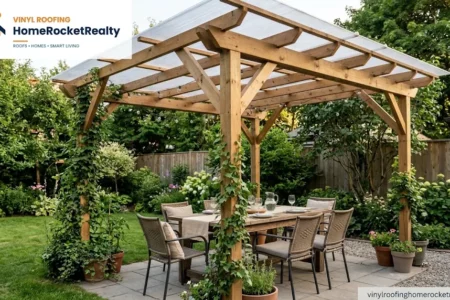
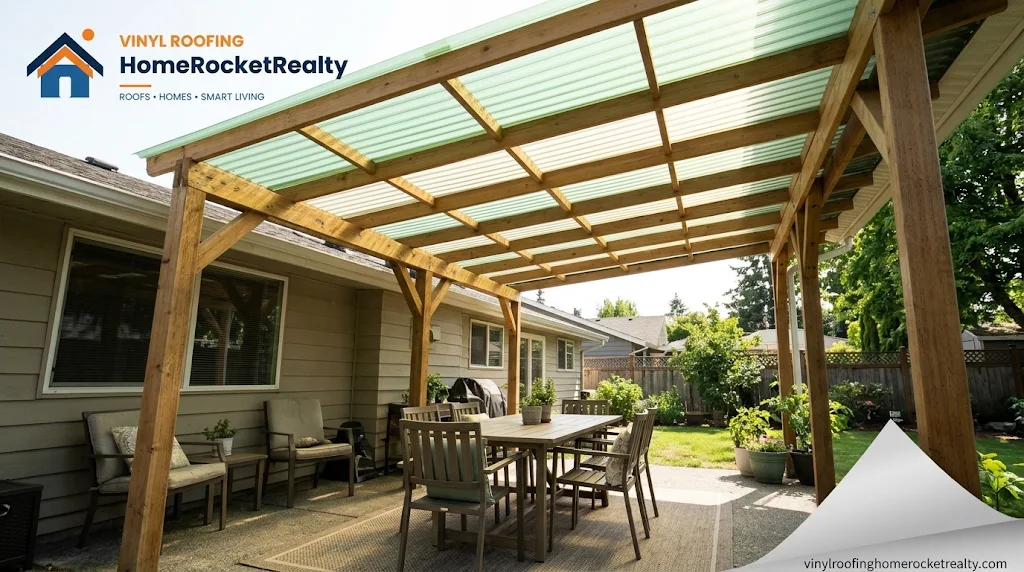
Corrugated plastic roof panels work well on a plastic shed roof, patio cover, pergola, carport, porch, greenhouse and lean-to. They are less suited to main living areas of a house, where more durable systems are the norm.
Choosing the right colour and light level
Clear panels let in the most light, which is great for patios and greenhouses but can overheat a sitting area in summer. Frosted or tinted panels reduce glare and heat. White opaque panels reflect sunlight and keep storage areas cooler. Think about how you will use the space before you pick.
Sizes and measuring
Panels commonly come in lengths such as 6, 8, 10 and 12 ft, and in widths around 26 inches, though sizes differ by brand. A 12 ft corrugated plastic roofing sheet is handy when you want to cover a roof in one piece without joins. To work out how many sheets you need:
- Measure the roof width and length.
- Divide the width by the covering width of one sheet, not the total width, because panels overlap.
- Add a few extra sheets or inches for overhang and mistakes.
Tools and materials checklist
- Corrugated panels and matching closure strips
- Self-drilling screws with sealing washers
- Fine-tooth saw or tin snips
- Drill and drill bits
- Measuring tape and pencil
- Safety glasses, gloves and a stable ladder
- Silicone or compatible sealant
How to install, step by step
- Check the frame. The purlins should be level and spaced according to the panel maker’s guide.
- Lay the first panel. Start at the side away from prevailing wind, with a small overhang at the bottom edge.
- Pre-drill holes. Drill slightly larger than the screw so the panel can expand and contract.
- Fix on the ridges, not the valleys, unless the manufacturer says otherwise.
- Overlap the next panel by at least one full corrugation, or more on low slopes.
- Add closure strips at the top and bottom to keep out insects and wind-driven rain.
- Seal and check. Look for gaps and tighten screws gently without crushing the washers.
Slope matters
Water needs a path to run off. Most manufacturers recommend a minimum slope for corrugated plastic roofing, so check the instructions. Too flat, and water or leaves collect and eventually find a way in.
Maintenance tips
Rinse the panels with water and mild soap a couple of times a year. Clear leaves and branches, and avoid harsh solvents. Check screws after storms and replace damaged washers. If panels become cracked or very yellow, replace them instead of patching again and again.
Common mistakes
- Fixing screws too tightly and cracking the panel.
- Skipping pre-drilled oversized holes, which causes stress when temperatures change.
- Using the wrong overlap on low slopes.
- Buying cheap thin sheets for a spot that gets heavy snow or hail.
- Forgetting closure strips and flashing.
Is it a good choice for you?
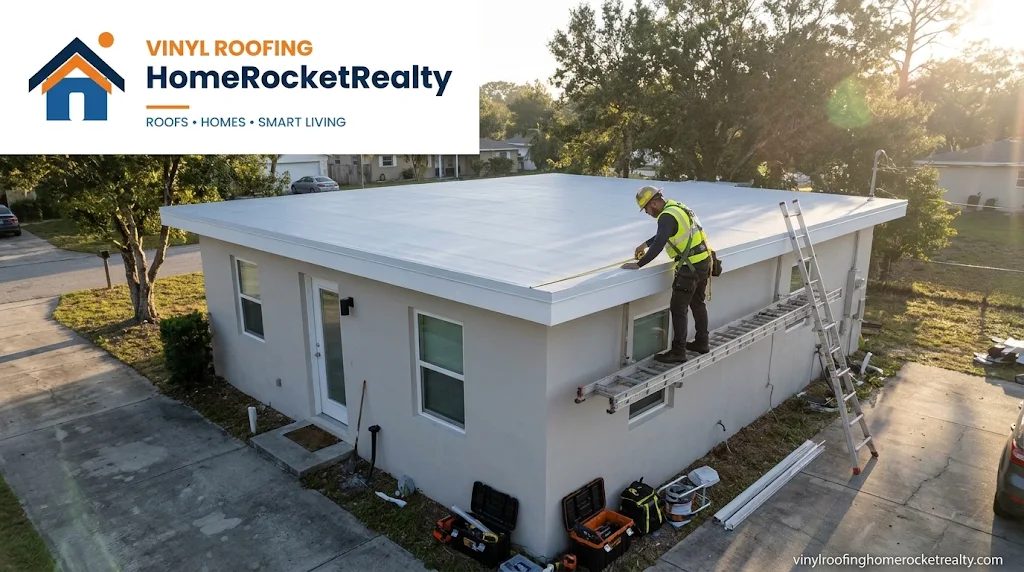
If you want a quick, low-cost cover for a patio, shed or carport, corrugated plastic roofing is a great option. If you need a long-term main roof for your home, speak with a roofing professional and compare other systems, including welded vinyl membranes.
Final thoughts
Corrugated plastic roofing is simple, but it rewards careful planning. Choose the right material, measure twice, leave room for expansion and use proper fixings. Do that, and your new roof will protect and brighten the space below for years to come.