People love asking which roof is the best. I wish there was a one-word answer, but there is not. The better question is which roof is best for your house. Vinyl roofing and asphalt shingles are two of the most common choices, and they are very different animals. Let me compare them the way I would explain it over a cup of tea.
Start with your roof shape
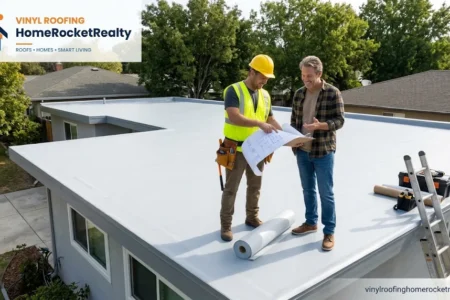
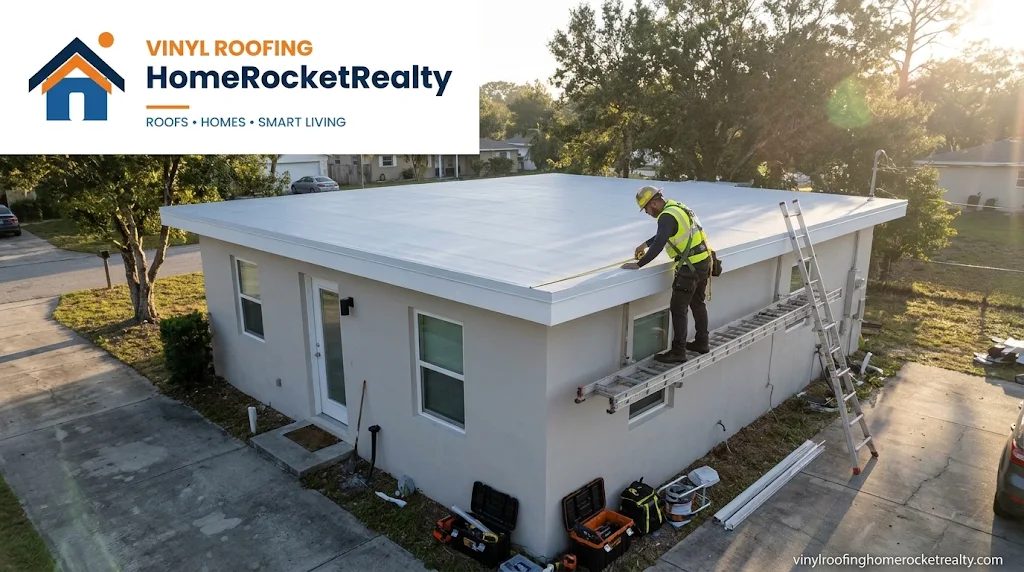
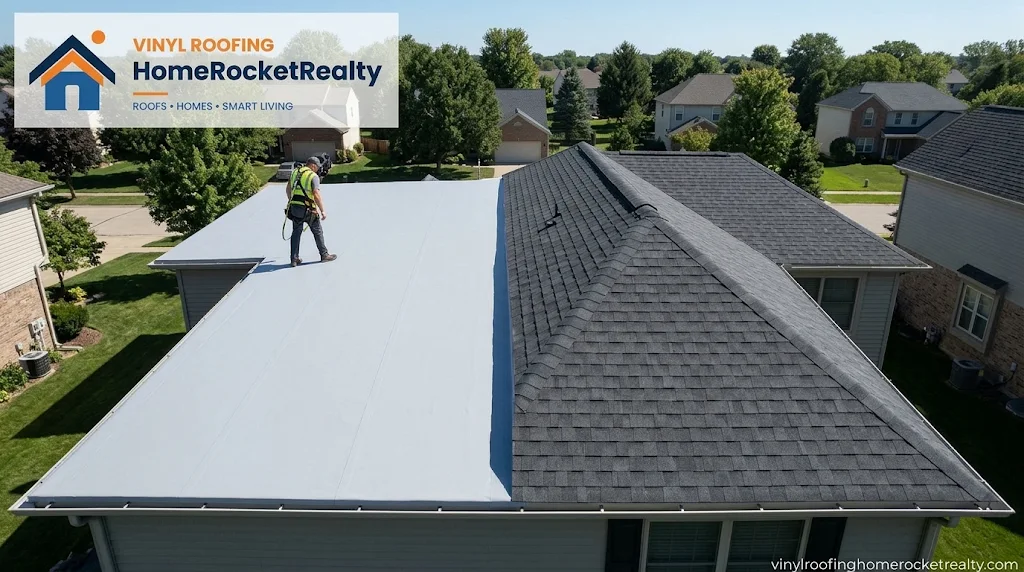
This single point settles half the debate. Shingles are made to shed water down a slope, one overlapping piece at a time. They need some pitch to work properly. Vinyl membrane is sold in large sheets and welded together, so it is built for flat or gently sloped roofs where water might otherwise sit.
So if you have a flat roof, a porch, an extension or a low garage, vinyl usually makes more sense. If you have a classic steep family roof, shingles are the natural fit.
How long each one lasts
Asphalt shingles commonly give you somewhere around 15 to 25 years, depending on quality and climate. Vinyl roofing, when installed well, can reach 20 years or more. Neither number is a guarantee. Sun, wind, trees and how well the roof is cared for all change the result. A cheap installation on either material will fail early.
Water protection
This is where vinyl shines. Because the seams are heat-welded, the roof becomes one continuous waterproof skin. Shingles rely on overlap and nails, so leaks usually start where a shingle cracks, lifts or a nail pops. On a flat roof, that difference is huge.
On a steep roof, though, shingles shed water very effectively, and the risk of ponding is basically zero.
Heat and energy bills
Light-coloured vinyl reflects a good share of sunlight, which helps keep the rooms underneath cooler. Dark asphalt shingles absorb more heat. If you live somewhere hot and run the air conditioner for months, a reflective roof can make a noticeable difference. In cold regions the gap matters less, and good insulation matters more than the roof colour.
Looks and curb appeal
Let us be honest: shingles look like a traditional house roof, and many people love that. Vinyl has a cleaner, more modern look, and since a flat roof is often hidden from the street, appearance matters less there. If you care about the street view, think about this before deciding.
Repairs and upkeep
- Shingles: replace damaged ones, check the flashing, clear moss and gutters. Easy for a handyman, but needs regular checking.
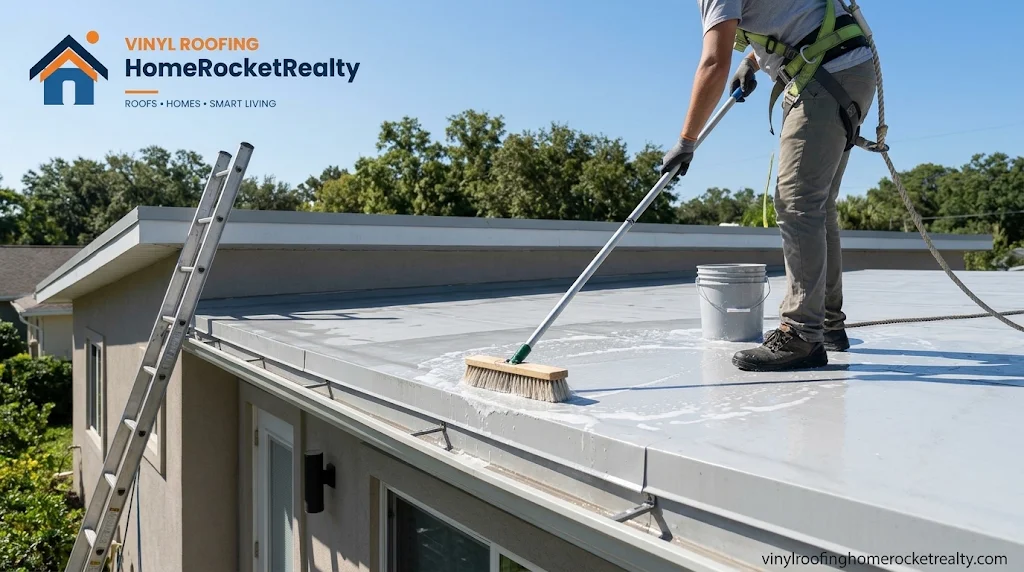
- Vinyl: wash it twice a year, watch the seams and edges, and patch small cuts quickly with the right repair kit.
Both are manageable. Vinyl asks for fewer chores, but a puncture should be fixed quickly instead of ignored.
Cost, side by side
Shingles are often cheaper per square foot and almost any roofer can install them. Vinyl can cost more upfront and needs a crew trained in welding seams. Over many years, a vinyl roof on a flat surface may cost less overall because you avoid repeated repairs. On a steep roof, shingles win on price and sense.
Quick decision guide
- Flat or low-slope roof? Go vinyl.
- Steep roof and a traditional look? Go shingles.
- Very hot climate? Light vinyl or light-coloured shingles help.
- Tight budget on a sloped roof? Shingles, installed by a good roofer.
- Want the least upkeep on a flat roof? Vinyl again.
A few mistakes to avoid
Do not choose a material because a friend liked it. Their house is not yours. Do not ignore the roof deck either, because both materials fail early over damaged wood. And please do not accept a verbal quote. Ask for it in writing with the brand, thickness and warranty listed.
The honest verdict
There is no winner in general. Vinyl roofing beats shingles on flat roofs, and shingles beat vinyl on steep ones. Look at the shape, the climate and your budget, get a couple of professional opinions, and the right answer usually becomes obvious. When it does, trust it and move forward.