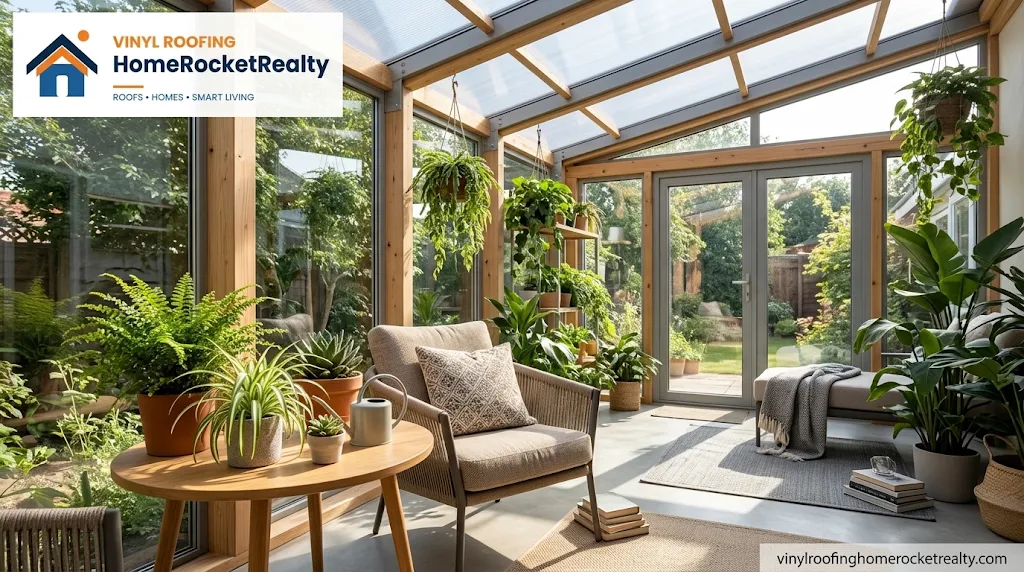
There is something special about a space that gets natural light from above. A greenhouse, a garden room, a walkway or a bright utility area all feel better with a clear roof. Clear roofing sheets make that possible, but the options can be confusing: polycarbonate, acrylic, plexiglass, PVC, fibreglass. Which is strong? Which stays clear? Which will not cook you in summer? Here is the simple version.
What are clear roofing sheets?
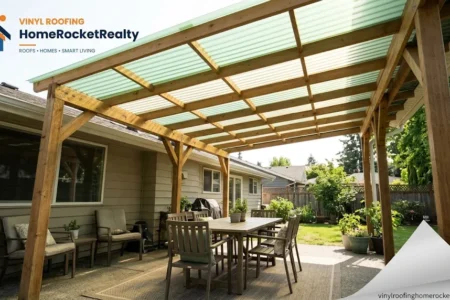
Clear roofing sheets, also called translucent roofs or transparent roofing material, are panels that let daylight through while keeping rain, wind and dust out. They can be flat, corrugated or multiwall, and they are used for patios, carports, greenhouses, skylights and covered walkways.
Polycarbonate roof panels
Polycarbonate is the all-rounder. It is very impact resistant, light and available in solid and multiwall styles. Multiwall panels have little channels inside that add insulation, which helps with both heat and noise. Good polycarbonate roofing material usually has a UV protective layer on one side, so always install it with that side facing the sun.
Pros: strong, hard to break, good insulation, many colours. Cons: it can scratch more easily than acrylic and usually costs more than basic PVC.
Acrylic roof panels and plexiglass
Acrylic, often sold under names like plexiglass or perspex, is famous for being very clear, almost like glass. If you want a plexiglass roof with a polished look, acrylic is a lovely choice. It also resists weather and yellowing well.
Pros: excellent clarity, glossy finish, good UV resistance. Cons: more brittle than polycarbonate, so it can crack under hard impact or if drilled badly.
PVC clear sheets
Clear PVC corrugated sheets are inexpensive and widely sold for sheds and covers. They do the job for light-duty uses, but may become brittle or yellow faster than premium options, especially in strong sun.
Pros: low cost, lightweight, easy to cut. Cons: shorter lifespan and lower impact strength.
Fibreglass skylight panels
Corrugated skylight panels, usually fibreglass, are made to match metal roofing profiles so they can be mixed into a roof for daylight. They are tough but can lose clarity over time. Choose a coated panel for better ageing.
Quick comparison
- Strength: polycarbonate first, fibreglass next, acrylic and PVC after.
- Clarity: acrylic is clearest, then polycarbonate, then PVC.
- Heat control: multiwall polycarbonate is best.
- Budget: PVC is cheapest, acrylic and quality polycarbonate cost more.
- Lifespan: premium polycarbonate and acrylic last longest.
Heat, glare and privacy
Fully clear panels let in lots of sunlight, which can make a space hot and bright. If that sounds like your garden room, pick tinted or opal sheets, or add blinds underneath. Opal panels also give privacy while still glowing with daylight, which is nice for walkways close to neighbours.
Planning your clear roof
- Decide the purpose: living space, walkway, greenhouse or simple cover.
- Pick the material by how much strength, clarity and heat control you need.
- Check the minimum roof pitch from the maker.
- Confirm the frame spacing so the panels do not sag.
- Ask about the UV side, thickness, warranty and accessories.
Installation basics
- Handle panels carefully and keep the protective film on until fitted.
- Cut with a fine-tooth blade, and seal the open ends of multiwall panels with tape.
- Pre-drill oversized holes and use screws with washers.
- Leave small gaps so panels can expand in heat.
- Install with the UV protected face outward.
Cleaning and care
Wash with lukewarm water, mild soap and a soft cloth. Avoid scrubbing brushes, ammonia-based sprays and strong solvents, which can mark the surface or cloud it. Clean twice a year, or more if you live near trees. Check seals and fixings regularly, and replace any cracked sheet right away.
Mistakes to avoid
- Installing polycarbonate with the UV layer facing inward.
- Choosing fully clear sheets for a hot, west-facing area.
- Forgetting end sealing on multiwall panels, which lets in dirt and insects.
- Using the wrong screws and cracking the sheet.
- Skipping the minimum slope.
Final thoughts
Clear roofing sheets can turn a dull space into a bright and welcoming one. Polycarbonate is the safe all-round pick, acrylic is wonderful when clarity matters, PVC suits small low-cost jobs, and fibreglass fits mixed roof profiles. Think about light, heat and budget together, install carefully, and your clear roof will look good and work well for years.