A patio without a roof is lovely on a sunny day and miserable the moment it rains. That is why plastic roof panels have become such a popular fix. They are light, affordable and let you enjoy the outdoors in almost any weather. But panels are not all the same, and the wrong choice can leave you sweating in summer or listening to a deafening drumming in a storm. Let us go through the choices calmly.
Why people choose plastic panels for outdoor spaces
- Light weight. Your pergola or frame does not need heavy reinforcement.
- Lower cost. Panels are usually cheaper than glass or tiles.
- Easy cutting and fitting. Many people install them over a weekend.
- Natural light. Translucent options keep the area bright.
- Weather protection. They shield you and your furniture from rain and part of the sun.
Common types of plastic roof panels
PVC panels: budget friendly and commonly used for sheds, awnings and basic covers. Good value, though quality varies.
Polycarbonate panels: stronger and more impact resistant than most PVC. They come in solid or multiwall styles, and are a favourite for patios.
Acrylic panels: very clear and glossy, often chosen when a glass-like look matters. They can be more brittle than polycarbonate.
Fibreglass panels: sturdy and often corrugated, used on patios and carports. Look for a protective coating to reduce yellowing.
Choosing between clear, tinted and opaque
Clear panels are bright, but they let in lots of heat. Tinted panels such as bronze, grey or opal reduce glare and temperature. Opaque white panels block most light but keep the area cooler. If your patio faces south or west, tinted or opal panels are usually more comfortable.
Plastic panels for pergolas
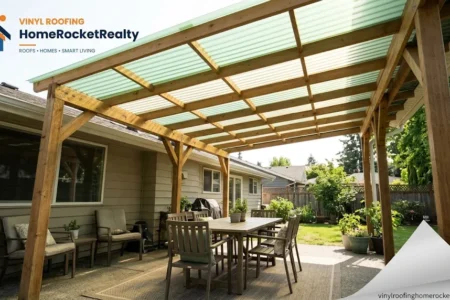
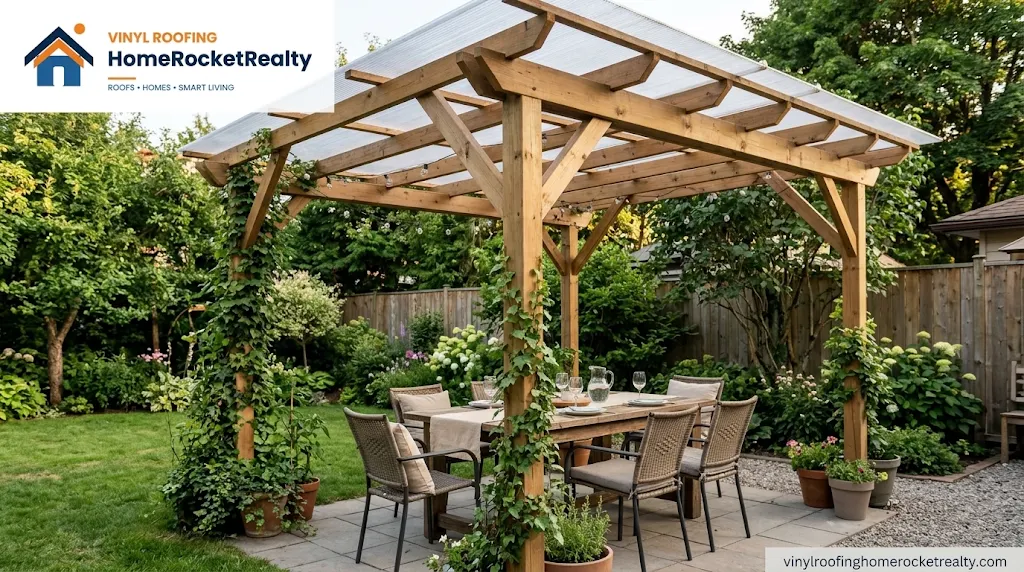
A pergola with a plastic roof is a great middle ground: you get shade and rain cover while keeping the open feel. When choosing plastic pergola roof panels, check the spacing of your rafters, because panel width and fixing positions must match your structure. Use closure strips at the ends and gently sloped panels so water drains away. For a long run, consider adding a small gutter at the lower edge.
Plastic panels for porches and awnings
A plastic porch roof or awning is a simple way to protect your door and keep the entrance dry. Smaller plastic awning panels are light, so brackets can be modest. Make sure the slope sends water away from the wall, and seal the wall junction with proper flashing so water does not run behind the panel.
Measuring and planning
- Measure the width and length of the area, including the overhang you want.
- Decide the slope. Most panels need a minimum pitch, and the manufacturer will state it.
- Check the maximum rafter spacing the panel can span.
- Order a few extra centimetres for cutting and overlap.
- Buy matching fixings, closure strips and sealant at the same time.
Installing plastic patio roof panels
- Work on a calm, dry day and always use a stable ladder.
- Lay the first panel with a slight overhang at the front so water drips clear of the frame.
- Pre-drill oversize holes to let the panel move with heat.
- Use screws with sealing washers and do not overtighten.
- Overlap panels as instructed, usually by one or two ridges.
- Seal the top edge and any wall junctions.
If you are not confident with heights, hire a local handyman. It will cost less than a fall.
Noise, heat and comfort
Thin plastic can be loud in heavy rain. Multiwall polycarbonate is quieter and insulates better than single-skin panels. For heat, choose tinted or opal colours and leave a gap for air to flow. A ceiling fan or open sides will do the rest.
Cleaning and care
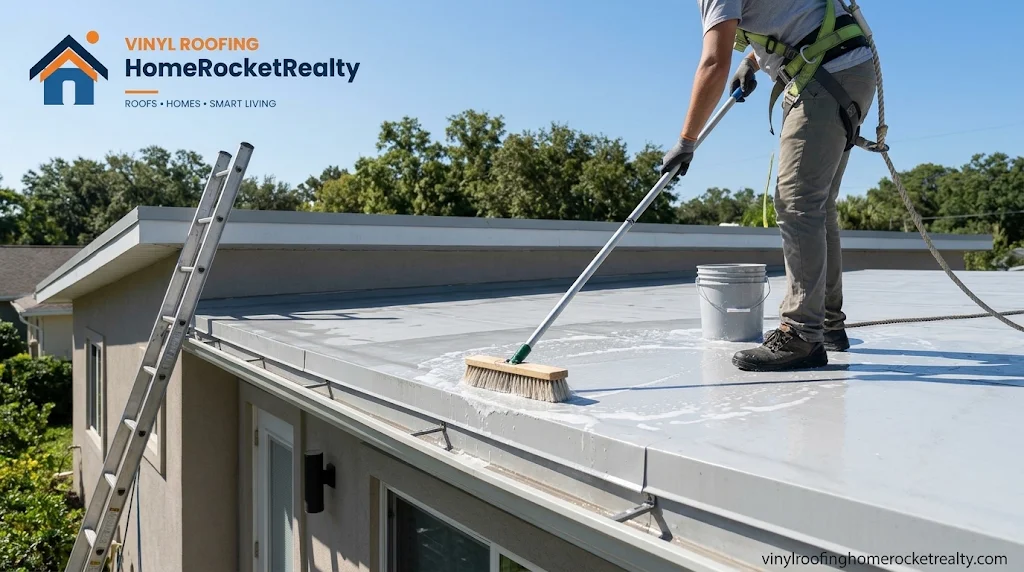
Wash the panels with mild soap and water twice a year, using a soft cloth or brush. Avoid abrasive pads, harsh solvents and pressure washers, because they can scratch the surface. Clear leaves from the edges so water drains freely, and check screws and sealant every season.
Mistakes to avoid
- Buying the thinnest panel to save a little money.
- Ignoring rafter spacing, which causes sagging.
- Choosing fully clear panels for a hot, sunny spot.
- Overtightening screws until the panel cracks.
- Leaving too flat a slope so water collects.
- Forgetting to ask about UV protection and the warranty.
Final thoughts
Good plastic roof panels can transform an unused outdoor corner into a space you will use all year. Match the panel type to your climate and frame, choose a colour that keeps you comfortable, install with care and clean them regularly. A little planning now means many relaxed evenings later.